
Recognition of Prior Learning
RPL helps eligible learners convert verified workplace learning, training, and professional experience into academic entry or credit consideration.
Recognition pathways should be transparent, evidence-based, and aligned with academic standards.
RPL helps eligible learners convert verified workplace learning, training, and professional experience into academic entry or credit consideration.

Research pathways are structured around proposal development, supervisor guidance, ethical academic practice, and measurable scholarly output.

Honorary recognition may be considered for individuals with significant contribution, leadership, or public impact in a field of expertise.
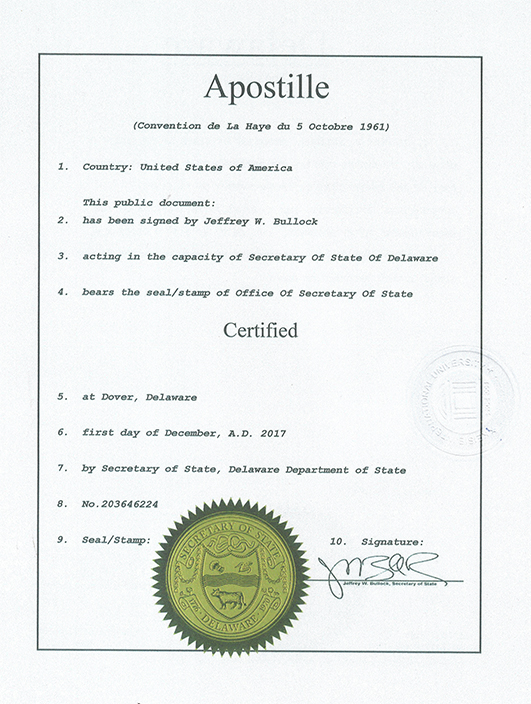
This document is presented as supporting recognition material. Keep certificate images readable, clearly labeled, and separated from program claims so visitors understand what evidence they are reviewing.
Recognition details are grouped into principles, objectives, and process steps so applicants can understand expectations before contacting admissions.
RPL recognizes formal learning, informal training, work experience, and life experience when evidence shows current competency aligned with academic expectations.
Honorary degrees recognize individuals with significant contributions to a field, society, scholarship, public service, or professional leadership.
Applicants should provide only documents that prove relevant learning: certified training, work outputs, professional licenses, publications, project portfolios, and employment records.
Initial eligibility screen
Evidence mapping against program outcomes
Academic review and recommendation
Admissions decision or credit guidance